The Latest

The WeVideo logo

WeVideo PowerTips: Version History

There are two ways to keep track of versions in Wevideo, depending on how you look at it and your project needs. “This is the way” –  The First way. When we edit, we make changes along the way which…

The WeVideo logo

WeVideo Power Tips: Snapping-to

Turning the snap-to feature on. The snap-to feature is used to  allow the user to automatically join clips  to other clips so there are no gaps or accidental overlaps with  any of the clips you are working with on the…

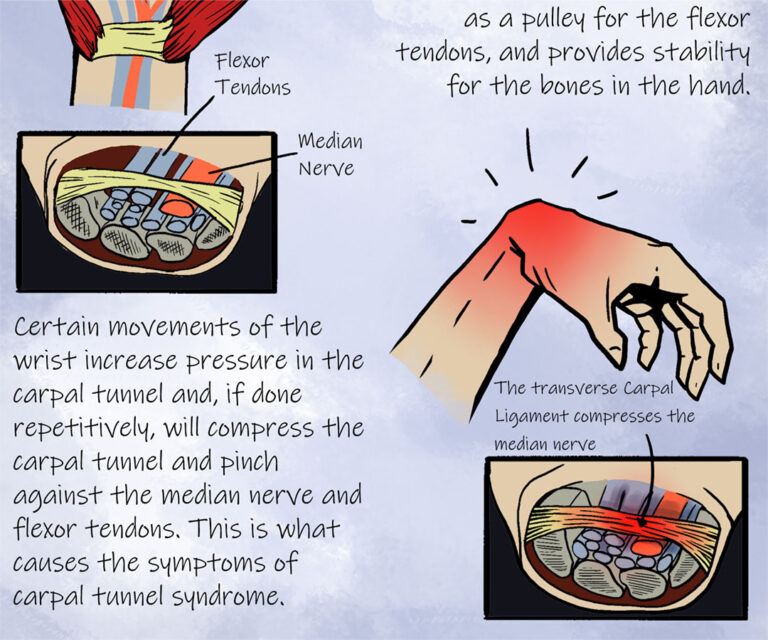
This subsection of a page is from a class project created by Shayla Sackinger. There are two images showing a cross section of a human wrist with tendons, bones, and nerve fibers. Part of the text reads: certain movements of the wrist increase pressure in the carpal tunnel and, if done repetitively, will compress the carpal tunnel and pinch against the median nerve and flexor tendons. This is what causes the symptoms of carpal tunnel syndrome. One of the cross section images is labeled with text: The transverse carpal ligament compresses the median nerve.

Learner-Generated Drawing Holds Potential for both Learning and Assessment

In learner-generated drawing activities, students employ multiple cognitive and muscular skeletal processes to produce illustrations based on verbal, text or other information. When properly supported as a learning activity, students tend to retain information longer and more accurately, than traditional methods. Learner produced illustrations also provide rich opportunities for assessment and dialog. This teaching tip provides pointers and shares experiences from a UAF Human Anatomy and Physiology course.

An illustration of two stylized politicians standing behind podiums. The composition is colored in red, white, and blue.

Teaching through a Presidential Election 

As the 2024 election approaches, many instructors and students are experiencing higher rates of stress, anxiety, and trauma symptoms. Stressful political events have the ability to impact student learning and create tension in the classroom community. This Teaching Tip offers practical strategies for teaching through the election season, including proactive planning and ideas for moments that may catch instructors off guard.

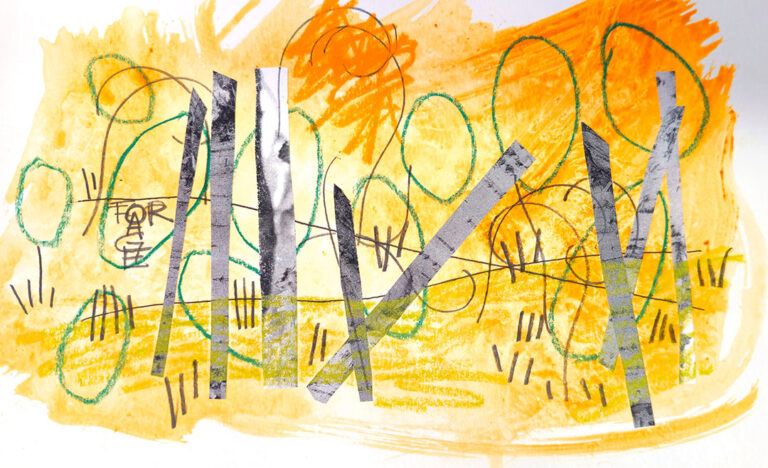
A collage landscape with shapes that suggest birch tree trunks, with colors of a sunset behind.

Mindful Art Making for Self-Care

Join us for an hour of sensory engagement through a free-flow painting and writing exercise in a non-judgemental space. No previous experience is required. It can be a powerful tool for stress reduction and relaxation, processing emotions, and enhancing self-awareness.…

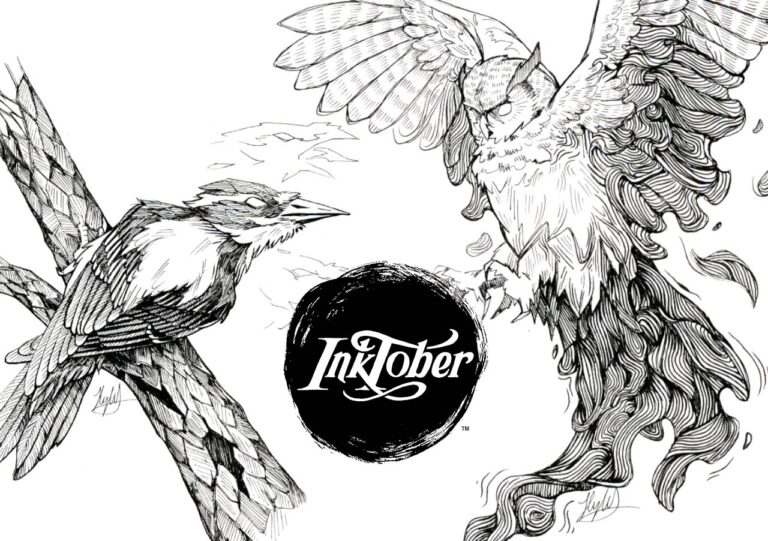
A Mindpecker and Stymphalian Bird from the Fantasy Birds Guide, by Shayla Sackinger

MILL Makerspace Inktober Challenge

This month we are participating in Inktober. The challenge of consistently responding to a daily drawing prompt throughout the month. “Inktober is a month long art challenge created by artist Jake Parker that is focused on improving skill and developing…

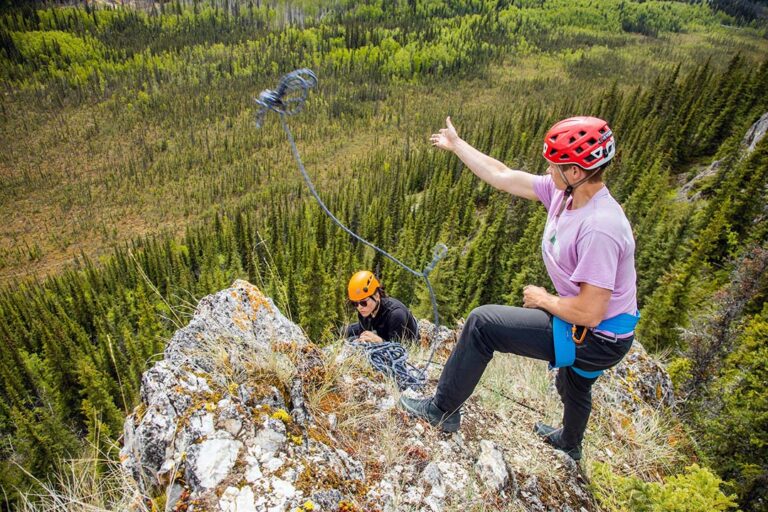
Climbers at the top of an outcropping, overlooking a boreal forest.

Transformative Learning in Your Class

In the summer of 2012 the University of Alaska Board of Regents approved revisions to Policy 01.01.030 — University of Alaska Fairbanks Mission Statement and University of Alaska Fairbanks Core Themes. Contained therein was this vision statement: "Excellence through transformative experiences." How can we aspire to such a lofty goal? What is the intersection with teaching and learning? And, how might you go about fostering such things in your courses?

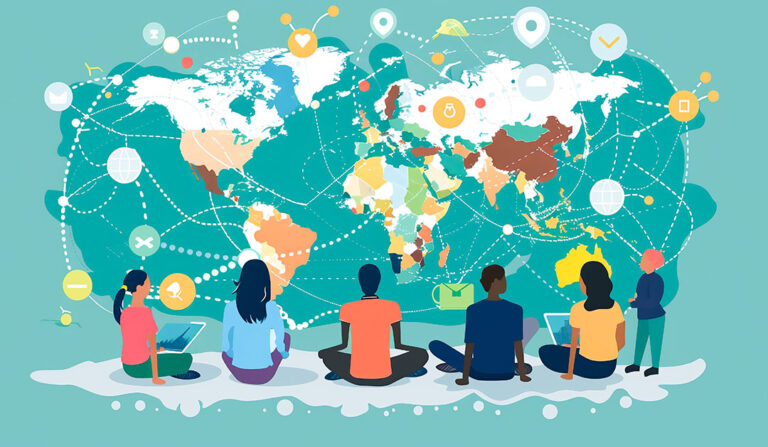
A stylized illustration of diverse-looking students sitting cross-legged in front of a world map.

Learning in Context: How Place-Based Learning Fosters Deeper Connections

What if the key to deeper, more meaningful learning lies right in front of us—in the places we live, work, and play? In Learning in Context: How Place-Based Learning Fosters Deeper Connections explores how connecting students to their local environments and communities can transform the learning experience. Drawing on both research and my own teaching experience, this article offers practical strategies for integrating place-based learning into your courses, whether you teach in person or online. From local data collection to virtual tours, place-based learning taps into students’ lived experiences, making course content more relevant, engaging, and impactful. Ready to explore how this approach can be incorporated into your teaching? Dive in to discover the profound effects of learning in context.

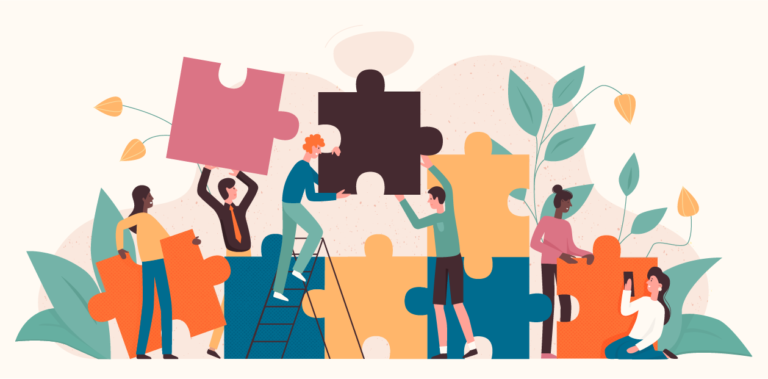
Illustrated people moving multi-color puzzle pieces around a stylized environment.

From Campus to Career: Adapting Higher Education to Modern Hiring Trends

In recent years, hiring practices have undergone significant transformations, accelerated by the impact of COVID-19. In response, higher education institutions are re-evaluating their roles in preparing students for the evolving job market. Microcredentials have emerged as a valuable tool to bridge the gap between academic learning and practical job skills. These credentials provide a verifiable way for students to showcase their competencies and align with employer demands for problem-solving, communication, and teamwork skills. Despite the shift away from traditional degree requirements, a college degree combined with relevant microcredentials is increasingly preferred by employers. This article explores how higher education can adapt to these changes by integrating microcredentials into their programs, enhancing students' employability, and aligning educational outcomes with market needs.