
CTL is currently undergoing changes, and some tools on this page are under maintenance. We appreciate your patience during this transition. If you need immediate support, please submit a consult request here.
Teaching Tips
Teaching Tips are our articles on the practice of learning and teaching. Interested in receiving these articles in our Teaching Newsletter?
-
Rethinking Deadlines to Support Student Success

What if the key to reducing student stress and improving performance wasn’t about being more lenient, but about being more strategic? Post-COVID research indicates that small, evidence-based changes to deadline policies can significantly reduce anxiety without compromising academic outcomes. Even better, these changes particularly benefit first-generation students and those balancing work, family, and mental health…
-
Caring for the Whole Student: Well-being as a Foundation for Learning

“Human learning is socially constructed: we come to understand the world through our interactions with others. Feeling part of a community of learners is a powerful motivator,” writes national expert on academic mindsets Camille Farrington. This Teaching Tip explores how fostering student well-being enhances learning and engagement. When students feel connected, supported, and valued, they…
-
Beyond the Checklist – Making RSI a Meaningful Practice for Instructors and Students

Regular and Substantive Interaction (RSI) is more than a compliance checkbox, it’s a way to design courses where interaction drives learning. This teaching tip reframes RSI as a shared practice across four channels: Instructor → Student, Student → Instructor, Student ↔ Student, and Student ↔ Community. You’ll find a quick self-check for the first two…
-
Create Classroom Activities that are Truly Effective

This Teaching Tip brings together active learning and Gangé’s Nine Events Instruction as a model for planning effective class sessions. These learning frameworks are evidence-based strategies for student success that can also help faculty structure their lesson plans, reducing planning overwhelm and sparking new ideas for engaging class meetings.

Best Practices
-
Rethinking Deadlines to Support Student Success
What if the key to reducing student stress and improving performance wasn’t about being more lenient, but about being more strategic? Post-COVID research indicates that small, evidence-based changes to deadline policies can significantly reduce anxiety without compromising academic outcomes. Even better, these changes particularly benefit first-generation students and those balancing work, family, and mental health…
-
Beyond the Checklist – Making RSI a Meaningful Practice for Instructors and Students
Regular and Substantive Interaction (RSI) is more than a compliance checkbox, it’s a way to design courses where interaction drives learning. This teaching tip reframes RSI as a shared practice across four channels: Instructor → Student, Student → Instructor, Student ↔ Student, and Student ↔ Community. You’ll find a quick self-check for the first two…
-

Best Practices for Accessible In-Person Lectures
This teaching tip offers advice for crafting lectures that are clearly connected to course objectives, visually and cognitively accessible to students, and supportive of methods for review and retention.
-

A Hospitable Classroom: Crafting Environments for Learning
In-person teaching requires attention to the classroom environment and social dynamic. To create a positive learning space, many scholars turn to the theory and practice of hospitality, arguing that it can be literally enacted in the classroom. This Teaching Tip explores pedagogical hospitality and offers practical suggestions for creating a welcoming class space.
-
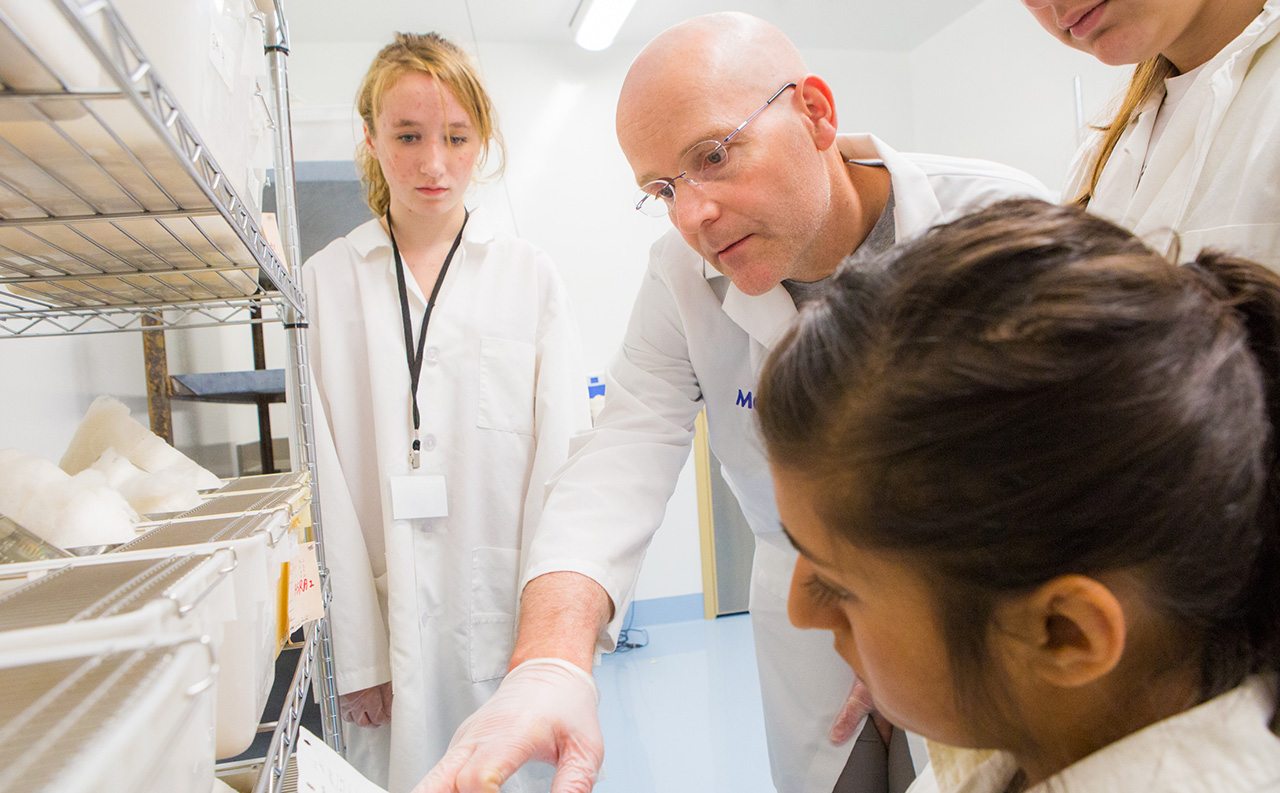
Getting Started with Teaching and Learning Research
“Asking a colleague about a problem in his or her research is an invitation; asking about a problem in one’s teaching would probably seem like an accusation,” writes scholarship of teaching and learning researcher Randy Bass. This Teaching Tip explores the history of this troublesome dynamic, arguing that engaging in teaching and learning research can…
-

Using Student Feedback to Improve Teaching
Everything we do as instructors is for the benefit of students, but it’s famously difficult to get a straight answer from students on how well we’re doing. Mid-Semester Feedback is one method for gathering useful, insightful suggestions and comments from students at a time in the semester when adjustments can be made.
Emerging Ideas
-
Caring for the Whole Student: Well-being as a Foundation for Learning
“Human learning is socially constructed: we come to understand the world through our interactions with others. Feeling part of a community of learners is a powerful motivator,” writes national expert on academic mindsets Camille Farrington. This Teaching Tip explores how fostering student well-being enhances learning and engagement. When students feel connected, supported, and valued, they…
-

Introducing ArcticVū: UAF’s Virtual Production Studio
At UAF’s Center for Teaching and Learning, we see video not just as a technical tool but as a way to transform teaching and research. Our newest resource, the ArcticVū virtual production studio, uses LED wall technology to place faculty, students, and guests into realistic, dynamic environments—from Arctic field sites to immersive classrooms. Built to…
-

In Case of Emergency, Hope
When faced with uncertainty, prioritizing hope can serve as a guiding force for both instructors and students in higher education. Pursuing hope allows educators to connect to their values and maintain a transformative vision, fostering deeper relationships with students and strengthening the academic community. By engaging in reflective practices, collaboration, and creative thinking, we can…
-

Transformative Learning in Your Class
In the summer of 2012 the University of Alaska Board of Regents approved revisions to Policy 01.01.030 — University of Alaska Fairbanks Mission Statement and University of Alaska Fairbanks Core Themes. Contained therein was this vision statement: “Excellence through transformative experiences.” How can we aspire to such a lofty goal? What is the intersection with…
-

From Campus to Career: Adapting Higher Education to Modern Hiring Trends
In recent years, hiring practices have undergone significant transformations, accelerated by the impact of COVID-19. In response, higher education institutions are re-evaluating their roles in preparing students for the evolving job market. Microcredentials have emerged as a valuable tool to bridge the gap between academic learning and practical job skills. These credentials provide a verifiable…
-

Q&A on AI Text Detection
Are there any tools that can reliably detect if writing was created with artificial intelligence? No. No, There are no tools which can reliably detect AI-generated writing. This teaching tip covers the current state of automatic AI detection and where it falls short of being reliable, and illustrates why this trend will continue. More importantly,…
Pedagogy
-

The State of AI in Education at UAF, Fall 2025
This teaching tip focuses on two areas of generative artificial intelligence’s impacts on higher education: The state of automatic detection of text generated from AI (AIGT), and three AI-based tools which can help in generating learning materials and activities, and make grading and feedback easier for instructors.
-

Potluck Pedagogy: What Will You Bring to the Table?
Your course is a potluck, what will you bring to the table? In this Teaching Tip, gain actionable insights on how to build stronger relational foundations to cultivate rich educational experiences with meaningful lifelong impacts.
-

Developing Critical Thinking Through Problem Based Learning
In this Teaching Tip we will explore the transformative potential of Problem-Based Learning (PBL), an approach that flips traditional teaching on its head by starting with real-world, ill-structured problems before mastering the basics. From its origins in medical education to its versatility across disciplines and modalities, PBL empowers students to take ownership of their learning.…
-

Good Course Design Is the Best Defense Against Cheating
While the prevalence of academic misconduct is debatable and uncertain, its existence is not. Courses can be designed proactively to reduce cheating, plagiarism and other forms of academic misconduct. This teaching tip was motivated by a reading of James Lang’s Cheating Lessons, and offers highlights from that book as well as advice from relevant peer-reviewed…
-
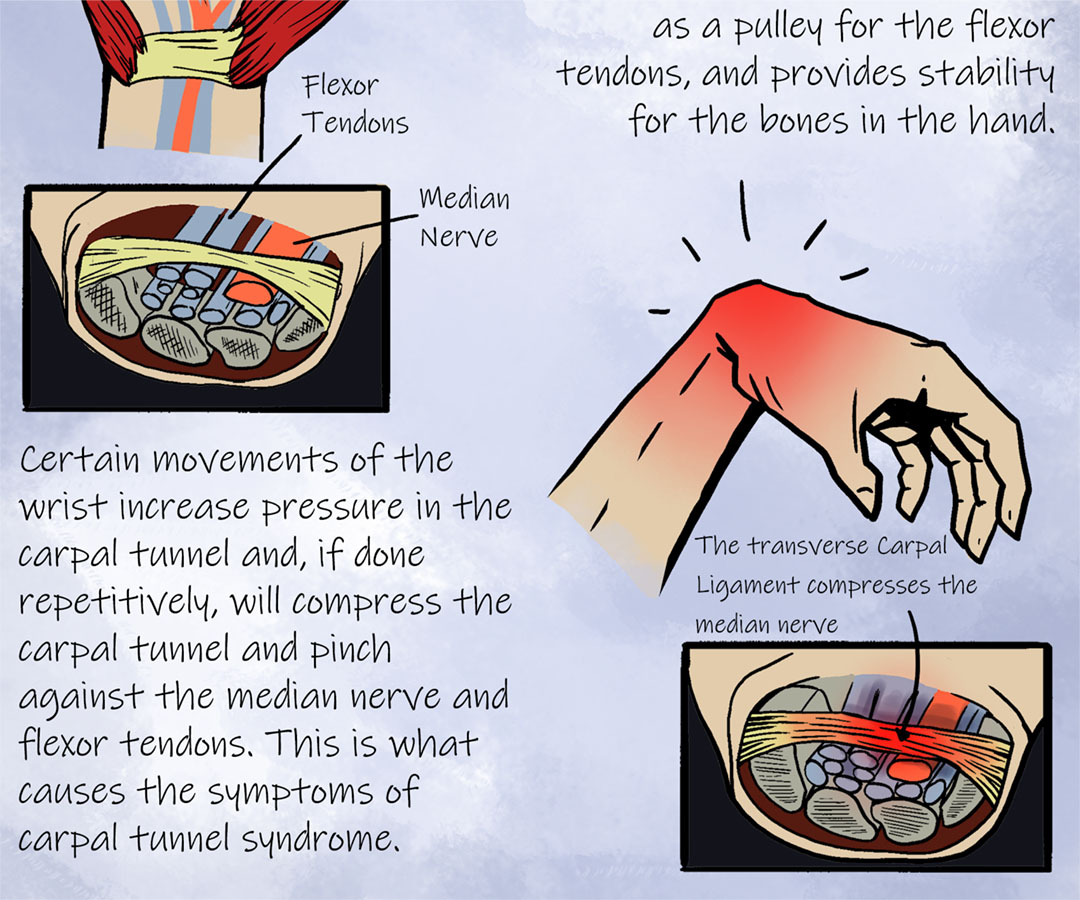
Learner-Generated Drawing Holds Potential for both Learning and Assessment
In learner-generated drawing activities, students employ multiple cognitive and muscular skeletal processes to produce illustrations based on verbal, text or other information. When properly supported as a learning activity, students tend to retain information longer and more accurately, than traditional methods. Learner produced illustrations also provide rich opportunities for assessment and dialog. This teaching tip…
-

Learning in Context: How Place-Based Learning Fosters Deeper Connections
What if the key to deeper, more meaningful learning lies right in front of us—in the places we live, work, and play? In Learning in Context: How Place-Based Learning Fosters Deeper Connections explores how connecting students to their local environments and communities can transform the learning experience. Drawing on both research and my own teaching…
Tools & How-Tos
-
Q&A on AI Text Detection
Are there any tools that can reliably detect if writing was created with artificial intelligence? No. No, There are no tools which can reliably detect AI-generated writing. This teaching tip covers the current state of automatic AI detection and where it falls short of being reliable, and illustrates why this trend will continue. More importantly,…
-
Edit Video in the Cloud, Even with Low Bandwidth Connections

Introducing a web based editing and collaboration tool, WeVideo, that lets faculty and others produce finished, streamable video that will engage students.
-
What I love about PlayPosit

UAF Associate Professor of Art Mareca Guthrie teaches Beginning Drawing, which consistently has close to 100 enrollments. She has been experimenting with interactive video for several years and shares eight things she loves about PlayPosit.
-
Canvas mobile apps for teachers and students
As an instructor, you’ll be able to stay on top of what is happening in your courses and to be able to communicate with your students from your mobile device.
-
Reinvigorate online discussions with Hypothesis
Hypothesis is a collaborative annotation tool now available in all UAF Canvas courses. Hypothesis merges the tasks of reading and discussion through the act of annotation, allowing students to hold contextualized discussions and share their reading experience.
-
Quick guide to Canvas
UAF begins our transition to Canvas in earnest this semester. This Teaching Tip is a quick reference guide to help you stay oriented as we make the move.
Community-Engaged Practice
-
Proactive Measures to Help Students with Post-COVID Mental Health Issues

Four years after the COVID-19 pandemic began, there has been a massive increase in students requesting disability accommodations. Explore the data behind this trend, and learn what the UAF Disability Services office recommends to make your class more accessible.
-
Faculty Perspectives: Open Educational Resources

Open Education Resources (OER) are freely accessible teaching and learning materials that are openly licensed, allowing faculty to legally and freely share, use, and modify educational content for their courses. At UAF, courses tagged as No or Low Cost (NoLo) in the schedule do not require textbooks or materials in excess of $40. Learn more…
-
Student Advice for Designing Your Best Course Yet

After four semesters of engaging UAF students and faculty in the LEAP program, several insightful bits of advice on course design are presented from the student point of view.
-
Ways to support your SSS students in/out of the classroom

Student Support Services (SSS), is a federally funded program for first-gen, low-income, and disabled students, which aims to increase academic achievement. Online and in-person students may face financial difficulties, need accommodations, and struggle with self-advocacy in the college environment.
-
Supporting Students with Mental Health Challenges

Campuses across the nation are seeing a rise in the frequency and intensity of mental health challenges among college students. This trend is apparent at UAF and many staff and faculty members are left wondering how to best support students experiencing mental health challenges. This teaching tip will describe how the UAF Student Health and…
-
Supporting online learners: academics and beyond

Online learners often face additional challenges to their education than those that are able to attend in-person. Student Support Services has been able to adapt their services in order to reach those students and provide academic resources and community building.